
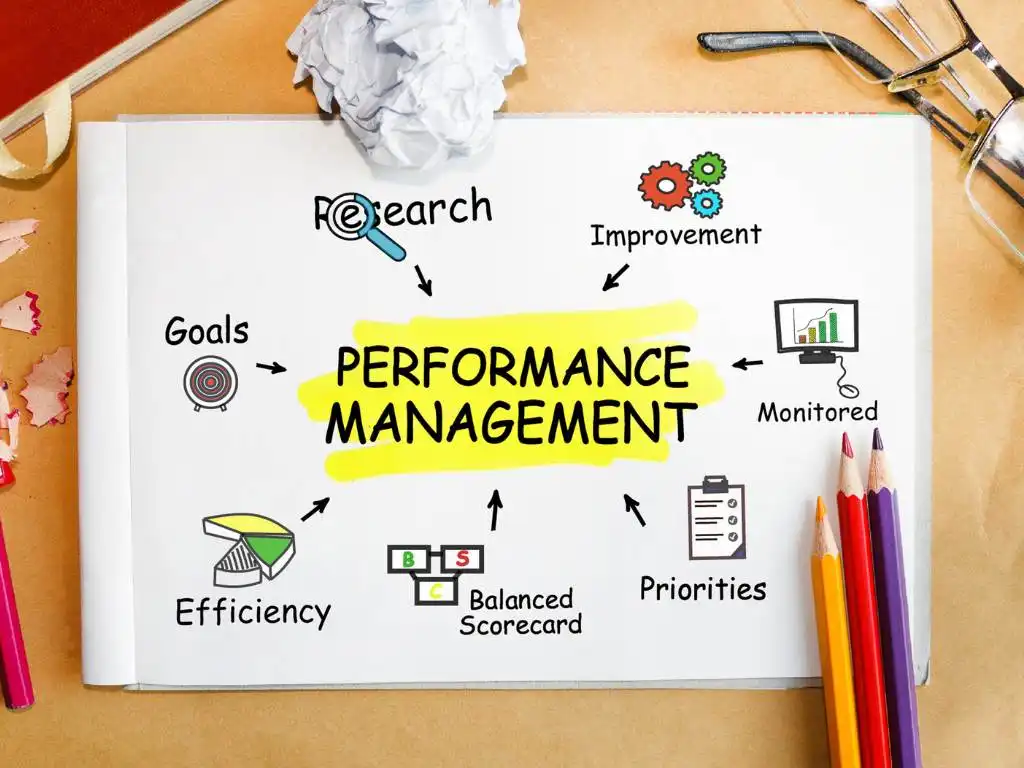
Local authorities face increasing pressure to deliver efficient, transparent, and accountable public services. To meet these demands, many councils are turning to a Performance Management Framework as a structured approach to monitor, evaluate, and improve their operations. By providing clear objectives, measurable indicators, and regular reporting, this framework enables decision-makers to identify strengths, address weaknesses, and make informed choices.
Implementing a Performance Management Framework is not just about tracking numbers; it helps local authorities align resources, enhance service quality, and ensure that community needs are effectively met. Moreover, with consistent monitoring and feedback, councils can adapt strategies in real time, fostering continuous improvement. As local governments navigate complex challenges, a well-designed framework becomes essential for achieving both efficiency and accountability.
Understanding a Performance Management Framework
A Performance Management Framework serves as a roadmap for local authorities, guiding how objectives are set, measured, and achieved. At its core, the framework provides a structured system to monitor progress, evaluate outcomes, and improve decision-making. By clearly defining goals and key performance indicators (KPIs), councils can track the effectiveness of their services and ensure accountability to the public.
Typically, a robust framework includes several critical components. These may involve setting strategic objectives, designing performance measures, establishing data collection methods, and creating regular reporting processes. Each element works together to provide a complete picture of organisational performance, helping local authorities identify areas for improvement and celebrate successes.
Furthermore, a Performance Management Framework supports evidence-based decision-making. By analysing reliable data, councils can allocate resources efficiently, prioritise initiatives, and respond proactively to emerging challenges. Ultimately, understanding how this framework operates lays the foundation for local authorities to implement it effectively and maximise its benefits.
Benefits for Local Authorities
Implementing a Performance Management Framework offers multiple advantages for local authorities, enabling them to deliver services more effectively and efficiently. First, it enhances accountability by providing a clear record of objectives, actions, and outcomes, ensuring transparency to both internal teams and the public. This clarity allows councils to demonstrate how decisions are made and resources are used, fostering trust within the community.
Second, a structured framework improves service delivery. By tracking performance through measurable indicators, local authorities can identify areas that need attention, streamline processes, and allocate resources where they are most needed. Over time, this leads to higher-quality services and better outcomes for residents.
Additionally, the framework supports informed decision-making and strategic planning. With consistent monitoring and analysis, councils can respond proactively to challenges, adapt policies, and implement improvements based on real data rather than assumptions. Overall, a Performance Management Framework not only strengthens operational efficiency but also reinforces public confidence in local governance.
Steps Local Authorities Take to Implement a Performance Management Framework Effectively
Implementing a Performance Management Framework successfully requires a structured approach. Local authorities typically begin by clearly defining their strategic objectives. These goals provide direction and ensure that all departments work toward common priorities. Once objectives are set, councils establish measurable key performance indicators (KPIs) to track progress and evaluate success.
Next, accurate data collection and analysis become essential. By gathering reliable information from various departments, local authorities can monitor performance trends, identify areas needing improvement, and make informed decisions. Regular reporting further supports transparency, allowing both internal teams and stakeholders to understand progress and challenges clearly.
Equally important is fostering a culture of continuous improvement. Local authorities often review outcomes, learn from successes and setbacks, and adjust strategies accordingly. Staff training and engagement play a crucial role in this process, ensuring that teams understand their responsibilities within the framework.
By following these steps—setting objectives, defining KPIs, collecting and analysing data, reporting results, and encouraging continuous improvement—local authorities can leverage a Performance Management Framework to enhance service delivery, accountability, and efficiency across their operations.
Overcoming Challenges in Implementation
While a Performance Management Framework offers significant benefits, local authorities often face challenges during implementation. One common hurdle is inconsistent or poor-quality data, which can make it difficult to track progress accurately. To address this, councils invest in reliable data collection systems and establish clear guidelines for reporting across all departments.
Another challenge is resistance to change. Staff may be hesitant to adopt new processes or tools, especially if they perceive them as additional work. Effective training, clear communication, and demonstrating the framework’s benefits can help build engagement and foster a culture that embraces performance improvement.
Resource constraints also present difficulties, as smaller councils may struggle to dedicate sufficient personnel or technology to maintain the framework. Strategic planning and prioritisation allow authorities to focus on high-impact areas first, ensuring meaningful results even with limited resources.
By acknowledging these challenges and implementing practical solutions, local authorities can maintain the effectiveness of their Performance Management Framework. Overcoming obstacles not only strengthens the framework’s impact but also ensures sustainable improvements in service delivery and accountability.
Case Study: Effective Use of a Performance Management Framework
To illustrate the impact of a Performance Management Framework, consider a mid-sized local council that aimed to improve its waste management services. By implementing the framework, the council set clear objectives, such as reducing missed collections and improving recycling rates. Key performance indicators were established to measure progress weekly, including collection punctuality and resident satisfaction.
With consistent data collection and analysis, the council was able to identify underperforming areas and deploy targeted interventions, such as route optimisations and staff training. Regular reporting kept both management and the community informed, ensuring transparency and accountability.
Over six months, the council achieved noticeable improvements: missed collections decreased by 30%, recycling participation increased, and residents reported higher satisfaction with waste services. This example demonstrates how a structured Performance Management Framework allows local authorities to make informed decisions, respond proactively to challenges, and achieve tangible results for the community.
FAQs
What is a Performance Management Framework in local government?
A Performance Management Framework is a structured system used by local authorities to set objectives, measure progress, and improve service delivery through consistent monitoring and evaluation.
Why is a Performance Management Framework important for local authorities?
It helps councils improve accountability, streamline processes, make data-driven decisions, and ensure services meet community expectations.
How do local authorities measure performance effectively?
Authorities use key performance indicators (KPIs), regular reporting, and data analysis to monitor progress and identify areas for improvement within the framework.
What challenges do councils face when implementing a Performance Management Framework?
Common challenges include inconsistent data, staff resistance, and limited resources. Addressing these challenges through training, clear processes, and prioritisation ensures effective implementation.
Can a Performance Management Framework improve public trust?
Yes, by promoting transparency, accountability, and measurable improvements, the framework helps local authorities build confidence and trust with residents.
Key Takeaways
A well-implemented Performance Management Framework is a powerful tool for local authorities seeking to enhance efficiency, accountability, and service quality. By setting clear objectives, defining measurable KPIs, collecting accurate data, and fostering a culture of continuous improvement, councils can make informed decisions that benefit both operations and the community.
Overcoming challenges such as data inconsistencies, staff resistance, and resource limitations is essential to maintain the framework’s effectiveness. Real-world examples show that structured implementation not only improves performance but also strengthens transparency and public trust.
Ultimately, adopting a Performance Management Framework enables local authorities to respond proactively to emerging challenges, optimise resource allocation, and deliver services that truly meet community needs.